Microblading Aftercare Instructions: A Comprehensive Guide
Navigating the microblading journey requires diligent aftercare, spanning 4-8 weeks. This crucial period involves distinct phases – darkness, scabbing, and color stabilization – demanding consistent attention for optimal, lasting results.
Initial 24-48 Hours: Immediate Post-Procedure Care
The first 24-48 hours are critical for successful microblading healing. Immediately following your appointment, gently cleanse the area with the provided sterile saline solution, removing any lymph fluid that surfaces. This fluid is a natural part of the healing process and should be carefully dabbed away – do not rub;
Avoid touching the treated area except when cleaning, and absolutely refrain from applying makeup, lotions, or any other skincare products. Keep the brows dry; avoid excessive sweating, and absolutely no soaking in water – skip the showers, baths, and swimming.
It’s normal to experience some mild discomfort or sensitivity; If needed, a very small amount of provided aftercare ointment can be applied, but use sparingly. Sleep on your back if possible to avoid disturbing the healing brows. This initial phase sets the foundation for proper healing and pigment retention, so strict adherence to these guidelines is paramount.
Avoiding Infection: Key Precautions
Protecting your newly microbladed brows from infection is paramount. Maintaining impeccable hygiene is the first line of defense. Always wash your hands thoroughly with antibacterial soap before touching the area, even for cleaning. Use only the sterile saline solution and aftercare ointment provided by your technician; avoid introducing other products that could harbor bacteria.
Be vigilant for signs of infection, including excessive redness, swelling, pus, or increasing pain. A small amount of redness is normal immediately post-procedure, but it should subside within a day or two. If you experience fever or feel unwell, seek medical attention immediately.
Avoid picking, scratching, or rubbing the treated area, as this can introduce bacteria and disrupt the healing process. Refrain from sharing towels or makeup with others. If you notice any unusual changes or are concerned about potential infection, contact your microblading artist or a healthcare professional promptly.
Cleansing Routine: Gentle Care is Essential
Maintaining a gentle cleansing routine is vital during the microblading healing process. For the first 10-14 days, cleanse the area twice daily with a sterile saline solution. Apply the solution using a clean cotton pad or a disposable wipe, gently blotting away any lymph fluid or dried pigment. Avoid harsh soaps, cleansers with fragrances, or exfoliants, as these can irritate the skin and impede healing.
Pat the area dry with a clean paper towel – do not rub. This minimizes disruption to the healing skin. The goal is to keep the area clean without stripping it of its natural moisture. Avoid prolonged water exposure during cleansing; a quick, gentle wipe is sufficient.
After cleansing, immediately follow with the recommended aftercare ointment to keep the area hydrated and protected. Consistency is key; a diligent cleansing routine promotes optimal healing and prevents infection.
Moisturizing: Keeping the Area Hydrated
Hydration is paramount throughout the microblading healing journey. Following each cleansing, apply a very thin layer of the aftercare ointment provided by your technician. This ointment, often containing ingredients like vitamin A and D, creates a protective barrier and prevents the area from drying out, which can lead to excessive scabbing and pigment loss.
Use a clean cotton swab or disposable applicator to apply the ointment – avoid using your fingers to prevent introducing bacteria. The layer should be incredibly thin; too much ointment can suffocate the skin and hinder healing. Think of it as barely visible sheen, not a thick coating.
Continue moisturizing 2-3 times daily for the first 7-14 days, then reduce to as needed until the area is fully healed. Proper hydration supports the skin’s natural healing process and contributes to vibrant, long-lasting results.
Week 1: The Darkness Stage & Flaking
The first week post-microblading is characterized by a period of intense darkness and subsequent flaking. Don’t be alarmed – this is a completely normal part of the healing process! The pigment will appear much darker than your desired final result, as it contains pigment that hasn’t yet settled beneath the skin.
Around days 3-5, the brows will begin to flake, resembling tiny, superficial scabs. It is absolutely crucial not to pick, scratch, or rub the flaking skin. Allowing the flakes to naturally shed ensures the pigment remains intact and prevents premature color loss or scarring.
Continue diligent cleansing and moisturizing during this phase. Gently blot away any excess ointment or lymph fluid with a clean, damp cotton pad. Resist the urge to touch your brows unnecessarily. Patience is key during this initial, often unsettling, stage of healing.
Week 2-3: The Scabbing Phase – Do Not Pick!
Weeks two and three typically mark the peak of the scabbing phase. The brows will appear to be covered in a more noticeable layer of dry skin, potentially resembling a thin film or patchy scabs. This is a natural protective layer forming over the newly microbladed skin, and it’s vital to resist all temptation to interfere with it.
Picking or prematurely removing the scabs is the most common mistake clients make, and it can lead to significant pigment loss and uneven healing. The scabs will eventually flake off on their own, revealing the underlying color. Continue gentle cleansing and moisturizing to keep the area hydrated and promote natural shedding.
Any lingering irritation should begin to subside during this period. However, maintaining consistent aftercare is paramount. Avoid harsh products, excessive sun exposure, and activities that cause excessive sweating. Remember, patience is crucial for achieving optimal results!
Week 3-4: Ghosting & Uneven Color
As the scabs fully flake away during weeks three and four, you may notice a phenomenon called “ghosting.” This presents as a lighter, hazy appearance to the microblading, making it seem as though the color has faded or disappeared in certain areas. Don’t be alarmed – this is a completely normal part of the healing process!
The pigment is still settling within the skin layers, and it appears uneven because the skin is still regenerating. The color will gradually deepen and become more consistent as the weeks progress. Continue applying a thin layer of aftercare ointment as directed by your technician to support optimal color retention.
It’s crucial to avoid any harsh treatments or products during this phase. Patience is key, as the final color won’t be fully visible until the skin has completely healed. Trust the process and maintain diligent aftercare for the best possible outcome.
Sun Protection: Shielding Your Brows
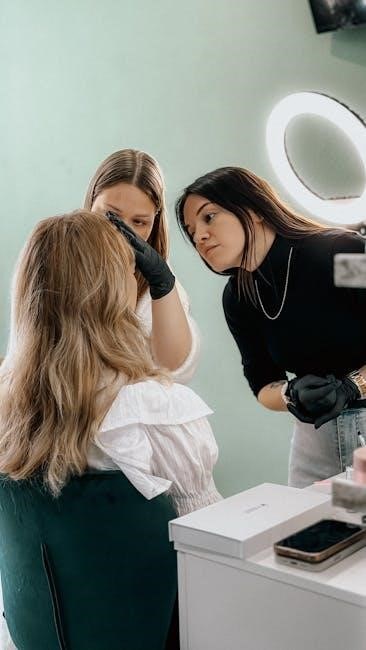
Protecting your newly microbladed brows from sun exposure is paramount for preserving the pigment’s vibrancy and preventing fading. Freshly microbladed skin is exceptionally sensitive, and UV rays can significantly impact the healing process and color retention. Direct sunlight can cause the pigment to break down, leading to a washed-out appearance.
For the first few weeks, and ideally long-term, avoid prolonged sun exposure to your brows. When outdoors, wear a wide-brimmed hat to shield them from direct sunlight. Applying a broad-spectrum sunscreen with a high SPF (30 or higher) specifically formulated for facial use is also essential.
Ensure the sunscreen doesn’t contain harsh chemicals that could irritate the healing skin. Consistent sun protection will not only safeguard your investment but also ensure your microbladed brows remain beautifully defined for years to come.
Makeup & Skincare: What to Avoid
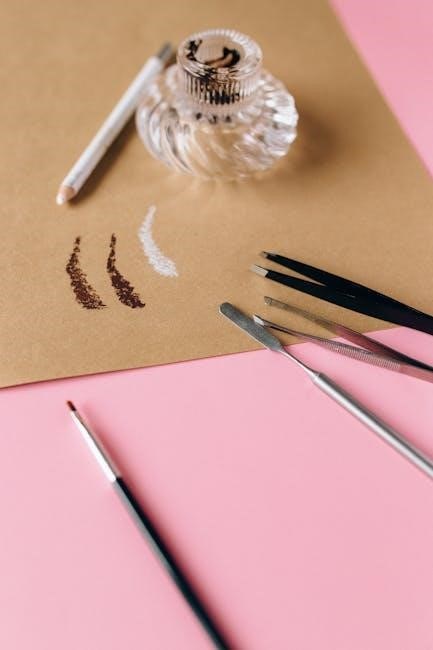
During the microblading healing process, minimizing product use around the brow area is crucial to prevent infection and ensure optimal pigment retention. For the initial 10-14 days, completely avoid applying makeup, including foundation, concealer, and brow pencils, directly over the treated area. This allows the skin to breathe and heal undisturbed.
Certain skincare ingredients should also be avoided. Steer clear of products containing acids (like glycolic or salicylic acid), retinoids, and exfoliating agents, as these can interfere with the healing process and potentially lift the pigment. Similarly, avoid harsh cleansers, alcohol-based toners, and any products that cause irritation.

Once healing is complete, introduce skincare products gradually. Always opt for gentle, fragrance-free formulas and patch-test before applying them near your brows. Prioritize protecting your investment by being mindful of product ingredients.
Exercise & Sweating: Considerations for Physical Activity
Physical activity, particularly exercises that induce sweating, requires careful consideration post-microblading. Excessive sweating during the initial healing phase (first 10-14 days) can impact pigment retention and potentially increase the risk of infection. Sweat contains salts and bacteria that can disrupt the healing process.
It’s recommended to avoid strenuous workouts and activities that cause heavy sweating for at least the first week. If exercise is unavoidable, take precautions to minimize sweat exposure to the brow area. Consider wearing a headband to absorb sweat, and gently cleanse the area immediately after your workout.
Avoid activities that involve submerging your face in water, such as swimming, as this increases the risk of bacterial contamination. Listen to your body and prioritize rest during the initial stages of healing. Gradually resume your normal activity level as the area heals, always keeping hygiene a top priority.
Water Exposure: Showers, Baths & Swimming
Managing water exposure is vital during microblading recovery to prevent infection and ensure optimal pigment retention. For the first 7-10 days, avoid prolonged soaking of the treated area. This means no baths, swimming, saunas, or prolonged showers directed at the brows.
When showering, keep your face angled downwards to minimize direct water contact with the microbladed area. Gently cleanse your face, avoiding harsh scrubbing or direct application of soaps onto the brows. Pat the area dry with a clean towel – do not rub.
Swimming should be avoided for at least 4 weeks, as pool water and natural bodies of water harbor bacteria that can lead to infection. Even after the initial healing period, continued exposure to excessive water can fade the pigment faster. Prioritize gentle cleansing and keeping the area dry for the best results.
Long-Term Care: Maintaining Your Brows
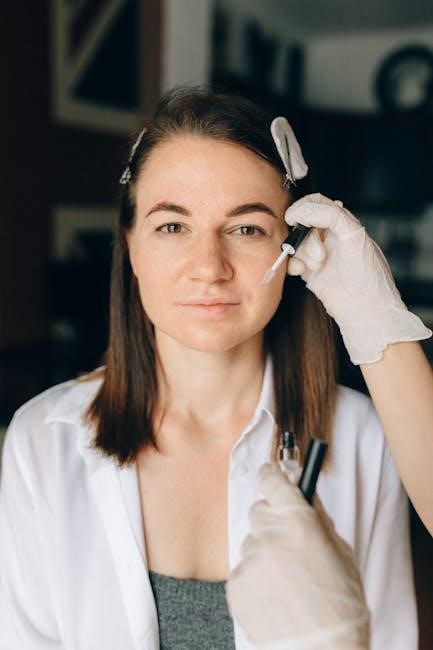
Preserving the vibrancy of your microbladed brows extends far beyond the initial healing phase. Consistent sun protection is paramount; UV rays can significantly fade the pigment over time. Apply a broad-spectrum sunscreen with an SPF of 30 or higher daily, even on cloudy days, directly to the brows.
Regular moisturizing remains beneficial, keeping the skin hydrated and supporting pigment retention. Incorporate a gentle, fragrance-free moisturizer into your skincare routine. Avoid harsh chemical exfoliants or retinoids directly on the brows, as these can accelerate pigment loss.
Lifestyle factors also play a role. A healthy diet and adequate hydration contribute to overall skin health, indirectly benefiting your microblading results. While microblading is long-lasting, color will naturally soften over time, necessitating touch-up appointments to maintain desired boldness and shape.
Touch-Up Appointments: Why They’re Necessary
Touch-up appointments are an integral part of the microblading process, not merely an optional extra. Typically scheduled 6-12 weeks after the initial session, these appointments address any pigment loss that naturally occurs during the healing and settling phase. It’s common for the initial color to soften, and areas may appear uneven as the skin fully stabilizes.
The first touch-up allows the technician to refine the brow shape, adjust the color intensity, and fill in any gaps where pigment didn’t fully retain. Skin’s individual response to microblading varies, and touch-ups ensure optimal symmetry and a polished final result.
Consider touch-ups as an investment in the longevity of your brows. Subsequent touch-ups, usually annually or bi-annually, will be needed to maintain the desired color and shape as the pigment gradually fades over time. Consistent maintenance ensures your brows remain beautiful and defined for years to come.
Recognizing Complications: When to Seek Help
While microblading is generally safe, recognizing potential complications is crucial for prompt intervention. Mild redness and swelling are normal immediately post-procedure, but excessive or prolonged inflammation warrants attention. Similarly, minor scabbing is expected, but significant blistering or pus formation indicates a possible infection.
Be vigilant for signs of infection, including increased pain, warmth around the treated area, fever, or unusual discharge. Allergic reactions, though rare, can manifest as intense itching, hives, or swelling. Any unusual symptoms should be reported to your technician immediately.
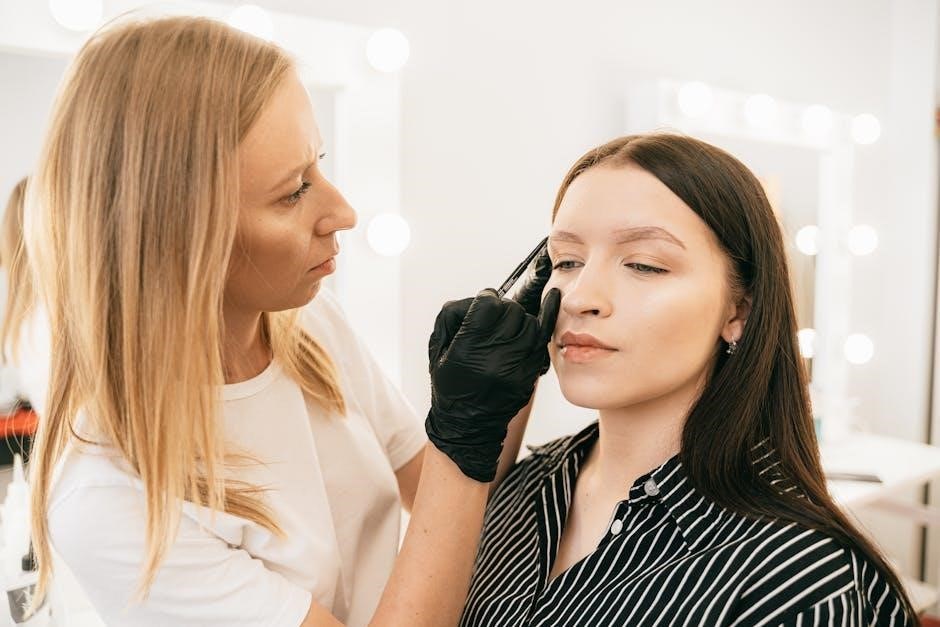
If you experience prolonged or severe discomfort, or notice any signs of infection that don’t subside within a few days, consult a medical professional. Don’t hesitate to seek medical advice if you’re concerned about your healing process. Early detection and treatment are key to preventing long-term issues and ensuring optimal results.
Healing Timeline Overview: A Week-by-Week Guide
The microblading healing process unfolds over approximately 4-6 weeks, marked by distinct stages. Week 1 typically involves initial darkness and mild swelling, followed by the appearance of a powdery residue. Weeks 2-3 bring the scabbing phase – resist the urge to pick! This is vital for pigment retention.
Weeks 3-4 often present “ghosting,” where brows appear faded or uneven as the skin heals and pigment settles. Don’t be alarmed; color will return. By weeks 4-6, the color stabilizes, and the final result emerges. However, complete healing and color settling can take up to 8 weeks.
Throughout this timeline, diligent aftercare is paramount. Consistent cleansing, moisturizing, and sun protection are essential. Remember, individual healing times vary, so patience is key. A touch-up appointment, typically 6-8 weeks post-initial session, is crucial for perfecting the final look.