
Glute Building Workout Plan PDF: A Comprehensive Guide
Discover a detailed PDF resource for sculpting stronger glutes, featuring beginner to advanced workouts, training schedules, and nutrition guidance for optimal results.
Explore muscleandstrength.com for a 3-day glute workout, designed to build muscle and enhance lower body strength, suitable for all fitness levels.
Unlock effective programs, including Olympic weightlifting routines, and learn how to maximize glute development with a structured training plan.
Understanding Glute Anatomy & Function
The gluteal muscles, comprising the gluteus maximus, medius, and minimus, are fundamental to lower body movement and stability. The gluteus maximus, the largest muscle in the body, is primarily responsible for hip extension – actions like walking, running, and climbing stairs. Understanding its function is key to a successful glute building workout plan.
Gluteus medius and minimus play a crucial role in hip abduction and rotation, stabilizing the pelvis during single-leg movements. These muscles prevent the knees from caving inward, protecting joints and enhancing athletic performance. A comprehensive PDF guide will detail how to target each muscle group effectively.
Effective training necessitates recognizing the interplay between these muscles. Ignoring any component can lead to imbalances and potential injuries. A well-structured program, as found in many workout plans, will address all three, ensuring balanced glute development and functional strength. Proper form and progressive overload are vital components.

The Importance of Glute Training
Glute training extends far beyond aesthetics; it’s crucial for functional movement, athletic performance, and injury prevention. Strong glutes support the lower back, improving posture and reducing pain. A well-designed glute building workout plan PDF should emphasize this holistic benefit.
Enhanced athletic performance is a direct result of glute strength; Powerful hip extension translates to faster sprints, higher jumps, and increased power output in various sports. Many workout resources highlight this connection.
Ignoring glute development can lead to imbalances, causing other muscle groups to compensate, increasing the risk of knee, hip, and back injuries. A progressive training program, detailed in a comprehensive PDF, addresses these concerns. Prioritizing glute work is an investment in long-term physical health and well-being, supporting everyday activities and athletic pursuits.
Beginner Glute Workout Plan (3 Days/Week)
This 3-day plan, ideal for those new to glute training, focuses on building a foundation of strength and proper form. Each session should begin with a dynamic warm-up, preparing the muscles for work. A sample workout, often found in a glute building workout plan PDF, might include bodyweight squats (3 sets of 12-15 reps), glute bridges (3 sets of 15-20 reps), and lunges (3 sets of 10-12 reps per leg).
Focus on mastering the technique before adding resistance. Muscleandstrength.com offers a similar beginner-friendly program. Rest for 60-90 seconds between sets. Prioritize controlled movements and a full range of motion.
Consistency is key. Adhering to this schedule, combined with proper nutrition, will yield noticeable results. Remember to listen to your body and adjust the intensity as needed.
Warm-up Routine for Glute Activation
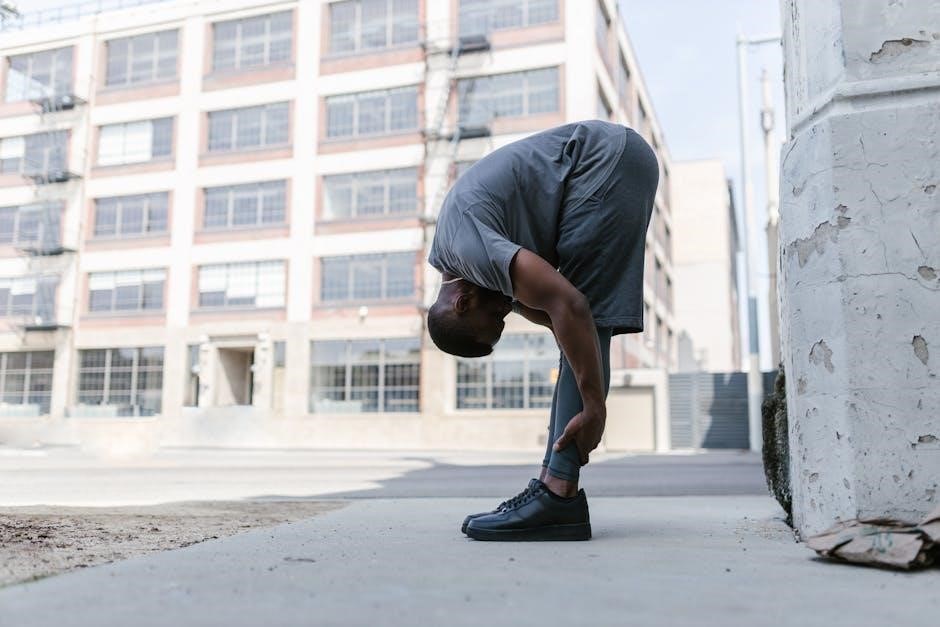
Prior to each glute workout, a dedicated warm-up is crucial for preparing the muscles and preventing injury. A comprehensive glute building workout plan PDF will emphasize this step. Begin with 5 minutes of light cardio, such as jogging in place or jumping jacks, to increase blood flow.
Follow this with dynamic stretches specifically targeting the glutes. Include exercises like glute bridges (15 reps), banded lateral walks (20 steps each direction), and hip circles (10 reps each direction). These movements activate the glute muscles and improve range of motion.
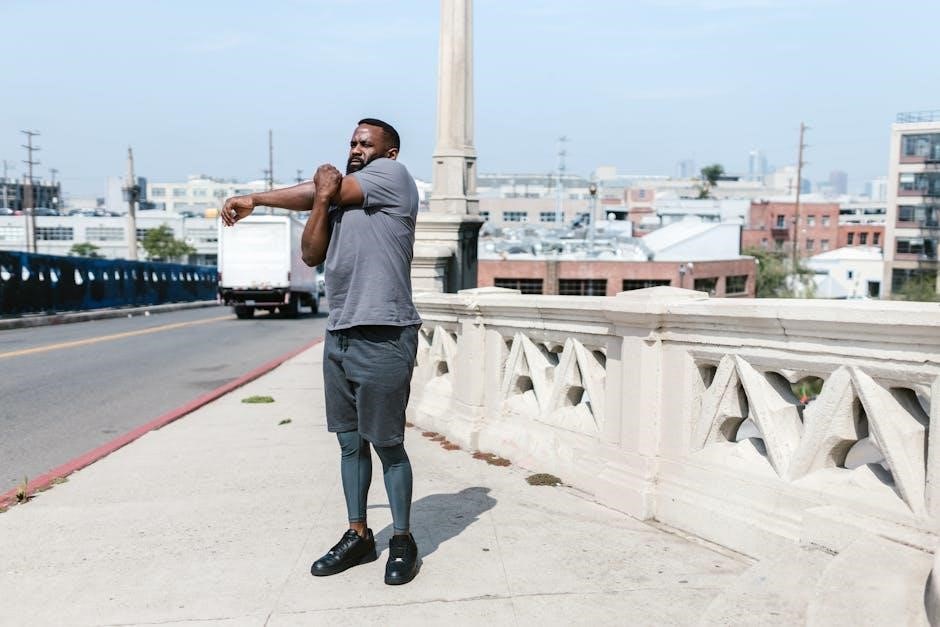
Don’t forget bodyweight squats (10 reps) and leg swings (10 reps per leg, forward and sideways). This prepares the muscles for heavier loads. A proper warm-up enhances performance and reduces the risk of strains.
Workout Day 1: Focus on Glute Max
This first day within your glute building workout plan PDF is dedicated to maximizing gluteus maximus development. Begin with Barbell Hip Thrusts (3 sets of 8-12 reps), a cornerstone exercise for glute growth. Ensure proper form, driving through the heels and squeezing the glutes at the top.

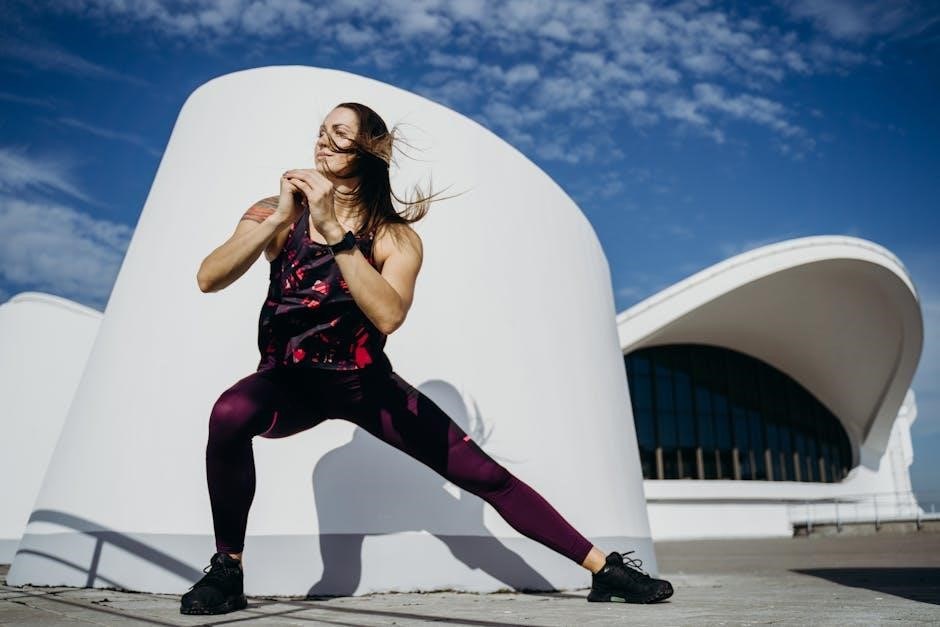
Next, incorporate Romanian Deadlifts (3 sets of 10-15 reps) to target the glutes and hamstrings. Maintain a straight back and focus on hinging at the hips. Follow with Walking Lunges (3 sets of 10-12 reps per leg) for unilateral strength and muscle activation.
Finish with Glute Bridges with a band (3 sets of 15-20 reps) for added resistance and a final glute squeeze. Remember to prioritize controlled movements and proper form throughout the workout.
Intermediate Glute Workout Plan (4 Days/Week)
Transitioning to an intermediate glute building workout plan PDF involves increasing volume and intensity. This 4-day split allows for focused muscle targeting and adequate recovery. Expect to see a noticeable increase in strength and muscle definition.

The plan incorporates compound movements alongside isolation exercises. Progressive overload is key – gradually increase weight, reps, or sets each week. Prioritize proper form to prevent injury and maximize effectiveness. This phase builds upon the foundation established in the beginner program.
Expect workouts to be longer and more challenging, demanding greater focus and commitment. Remember to listen to your body and adjust the plan as needed. Consistent effort and strategic progression are crucial for continued growth.
Progressive Overload Principles
Progressive overload is the cornerstone of any effective glute building workout plan PDF. It dictates consistently challenging your muscles to stimulate growth. Simply put, if you don’t progressively increase the demands on your glutes, they won’t adapt and become stronger.
Methods include increasing weight lifted, performing more repetitions, adding sets, decreasing rest times, or enhancing exercise difficulty. Track your workouts meticulously to monitor progress and ensure overload is occurring. Small, incremental increases are preferable to large jumps.
Avoid plateaus by varying your approach. Don’t solely focus on weight; manipulate other variables. Prioritize proper form throughout. Progressive overload isn’t about ego lifting; it’s about smart, consistent progression for long-term results.
Workout Day 2: Glute Medius & Minimus Focus
Day 2 centers on the often-overlooked glute medius and minimus, crucial for hip stability, preventing injury, and achieving a well-rounded gluteal development. These muscles contribute significantly to the glute “shape” and function.
Exercises should prioritize abduction and external rotation movements. Consider incorporating banded lateral walks, clam shells, hip thrusts with a resistance band around the knees, and single-leg Romanian deadlifts. Focus on controlled movements and feeling the activation in the targeted muscles.
Implement 3-4 sets of 12-15 repetitions for each exercise. Maintain a mind-muscle connection, consciously squeezing the glute medius and minimus throughout each rep. Prioritize form over weight to maximize effectiveness and minimize risk of injury.
Advanced Glute Workout Plan (5 Days/Week)
This plan is designed for experienced lifters seeking maximal glute development. It demands a high level of commitment and recovery. Expect increased volume, intensity, and exercise complexity. Proper form and progressive overload are paramount to avoid plateaus and injuries.
The 5-day split allows for dedicated focus on different aspects of glute training. Expect a combination of heavy compound lifts, isolation exercises, and advanced techniques like drop sets and supersets. Prioritize sufficient rest and nutrition to support muscle growth and recovery.
Expect to incorporate exercises like barbell hip thrusts, Romanian deadlifts, Bulgarian split squats, glute bridges, and various abduction/external rotation movements. This plan requires a well-equipped gym and a solid understanding of exercise technique.
Incorporating Isolation Exercises
Isolation exercises are crucial for targeting specific glute muscles – the maximus, medius, and minimus – enhancing overall shape and addressing muscle imbalances. While compound movements build foundational strength, isolation work refines and sculpts.
Effective isolation exercises include hip abductions (machine or banded), cable kickbacks, glute bridges with a band, and single-leg deadlifts focusing on glute engagement. These movements allow for a concentrated contraction, maximizing muscle fiber recruitment.
Strategically place isolation exercises towards the end of your workout, after completing compound lifts. This ensures pre-exhaustion of the glutes, increasing the effectiveness of the isolation work. Focus on controlled movements and a strong mind-muscle connection.
Workout Day 3: Compound Movements for Glute Growth
Day three prioritizes compound movements, the cornerstone of glute development. These exercises engage multiple muscle groups simultaneously, maximizing hormonal response and overall strength gains. Focus on heavy lifting with proper form to stimulate significant muscle hypertrophy.
Key exercises include barbell hip thrusts, Romanian deadlifts (RDLs), and Bulgarian split squats. Barbell hip thrusts directly target the glute max, while RDLs emphasize the hamstrings and glutes. Bulgarian split squats challenge balance and build unilateral strength.
Structure your workout with 3-4 sets of 8-12 repetitions for each exercise. Prioritize progressive overload – gradually increasing weight or resistance – to continually challenge your muscles and drive growth. Remember proper warm-up and cool-down routines.
Exercise Variations for Different Skill Levels
Adapting exercises to your fitness level is crucial for safe and effective glute training. Beginners should start with bodyweight exercises or lighter resistance, focusing on mastering proper form before adding weight. Modifications like assisted glute bridges or wall sits build foundational strength.
Intermediate lifters can progress to dumbbell or resistance band variations, increasing the challenge and targeting different glute fibers. Consider adding single-leg variations for enhanced stability and muscle activation. Explore exercises like walking lunges or banded hip thrusts.
Advanced athletes can incorporate barbell variations, plyometrics, and complex movements. Focus on maximizing load and incorporating explosive power. Examples include weighted hip thrusts, jump squats, and pistol squats. Always prioritize form to prevent injury.
Nutrition for Glute Development
Optimal nutrition is paramount for maximizing glute growth alongside a consistent workout routine. Prioritize a calorie surplus to provide the energy needed for muscle protein synthesis. Focus on consuming whole, unprocessed foods to fuel your body effectively.
Protein intake is critical, aiming for approximately 0.8-1 gram per pound of body weight daily to support muscle repair and growth. Distribute protein intake evenly throughout the day to optimize absorption. Lean meats, eggs, and dairy are excellent sources.
Carbohydrate timing is also important, consuming complex carbohydrates before and after workouts to replenish glycogen stores and enhance recovery. Prioritize nutrient-dense carbohydrates like sweet potatoes and brown rice. Healthy fats are essential for hormone production and overall health.
Protein Intake Recommendations
Adequate protein consumption is non-negotiable when pursuing glute development. It’s the building block for muscle tissue repair and growth, directly impacting your results. Aim for a daily intake of 0.8 to 1 gram of protein per pound of body weight. This range ensures sufficient amino acids are available for muscle protein synthesis.
Distribute your protein intake evenly throughout the day, consuming roughly 20-40 grams per meal. This maximizes muscle protein synthesis rates. Prioritize complete protein sources like lean meats (chicken, turkey, beef), fish, eggs, and dairy products.
Consider supplementing with whey protein or casein protein if you struggle to meet your daily protein needs through whole foods alone. Remember, consistency is key – prioritize protein with every meal!
Carbohydrate Timing for Optimal Results
Strategic carbohydrate intake significantly influences your glute-building success. Carbohydrates fuel your workouts and replenish glycogen stores, essential for performance and recovery. Prioritize consuming complex carbohydrates – like sweet potatoes, brown rice, and quinoa – throughout the day for sustained energy.
Specifically, focus on consuming a carbohydrate-rich meal or snack 1-2 hours before your glute workouts. This provides readily available energy for intense training. Following your workout, replenish glycogen stores with another carbohydrate source, ideally combined with protein.
Don’t fear carbohydrates! They are vital for muscle growth. Adjust your intake based on your activity level and individual needs, ensuring you have enough energy to power through your glute-focused training sessions.
Common Mistakes to Avoid During Glute Workouts
Many individuals unintentionally hinder their glute development through common training errors. One frequent mistake is insufficient warm-up, leading to increased injury risk and reduced performance. Always prioritize glute activation exercises before heavier lifts.
Another pitfall is improper form. Focusing on completing repetitions quickly often compromises technique, shifting the emphasis away from the glutes. Maintain controlled movements and prioritize feeling the muscle contraction. Avoid excessive weight if it sacrifices form.

Furthermore, neglecting progressive overload stalls progress. Continuously challenge your muscles by gradually increasing weight, reps, or sets. Ignoring rest and recovery also impedes growth; allow adequate time for muscle repair and adaptation.
Sample Workout PDF Structure & Content
A comprehensive glute building PDF should begin with an introduction outlining the plan’s goals and target audience – beginner, intermediate, or advanced. Include a detailed anatomical overview of the gluteal muscles, explaining their function during exercise.
The core of the PDF will feature workout routines, structured by day or week, with clear exercise instructions and visual aids (images or videos). Each workout should specify sets, reps, rest times, and recommended weight ranges. Progressive overload strategies should be clearly explained.
Essential sections include warm-up and cool-down routines, nutrition guidelines focusing on protein intake, and a section on tracking progress. A sample weekly schedule and a printable workout log would enhance usability. Consider adding exercise variations for different skill levels.
Tracking Progress & Adjusting Your Plan
Consistent tracking is vital for glute development. Your PDF should emphasize recording weights lifted, reps completed, and sets achieved for each exercise. Monitor changes in body measurements – hip circumference, thigh size – and take progress photos weekly.

Regularly assess your performance. If you consistently exceed the target rep range, it’s time to increase the weight or resistance. Conversely, if you struggle to complete the sets, reduce the weight. Adjust the plan based on your individual response and recovery.
Don’t be afraid to modify exercises if they cause discomfort. Periodically reassess your nutrition to ensure adequate protein intake. A well-structured PDF will guide users on how to interpret their data and make informed adjustments for continued growth.
Glute-Focused Warm-up Exercises
A comprehensive PDF glute workout plan must prioritize a dynamic warm-up. Include exercises specifically targeting glute activation before heavier lifting. Begin with glute bridges – 15-20 reps – to engage the glute max. Follow with banded lateral walks, performing 10-15 steps in each direction, focusing on glute medius activation.
Incorporate clam shells (15-20 reps per side) to further isolate the glute medius. Add hip thrusts with a light band (12-15 reps) to prepare the glutes for heavier loads. Dynamic stretches like leg swings (forward and lateral) enhance range of motion.
The PDF should emphasize controlled movements and mindful muscle engagement during the warm-up. This prepares the glutes for optimal performance and minimizes injury risk.
Cool-down & Stretching for Glute Recovery
A well-structured PDF glute workout plan shouldn’t neglect the cool-down phase. Begin with 5-10 minutes of light cardio, like walking, to gradually lower your heart rate. Static stretching is crucial for improving flexibility and reducing muscle soreness.
Include stretches targeting all three glute muscles. Pigeon pose (30-60 seconds per side) effectively stretches the glute max and piriformis. Perform seated figure-four stretches (30-60 seconds per side) to target the glute medius. Add lying hamstring stretches (30-60 seconds per leg) as tight hamstrings can limit glute activation.
The PDF should emphasize holding each stretch without bouncing and focusing on deep, controlled breathing. Prioritizing cool-down and stretching aids recovery and prepares muscles for subsequent workouts.
Supplements That May Aid Glute Growth
A comprehensive glute building workout PDF may address potential supplement support, though they are secondary to diet and training. Creatine monohydrate is well-researched and can enhance strength and muscle growth, indirectly benefiting glute development.
Protein powder, particularly whey or casein, aids in meeting increased protein needs crucial for muscle repair and growth. Branched-Chain Amino Acids (BCAAs) may reduce muscle soreness, but a sufficient protein intake often negates the need.
Vitamin D is vital for overall health and muscle function, and deficiencies are common. The PDF should emphasize consulting a healthcare professional before starting any supplement regimen, as individual needs vary.
Resources for Further Learning
To deepen your understanding beyond a basic glute building workout PDF, explore reputable online platforms like muscleandstrength.com, offering detailed workout routines and expert advice. YouTube channels dedicated to fitness provide visual demonstrations of exercises and form correction.
Consider certified personal trainers or strength and conditioning coaches for personalized guidance. Research peer-reviewed scientific articles on muscle hypertrophy and glute-specific training for a more in-depth understanding.
Websites focusing on nutrition provide valuable insights into optimizing your diet for muscle growth. Remember to critically evaluate information sources and prioritize evidence-based practices. Stay updated with the latest research and adapt your approach accordingly.